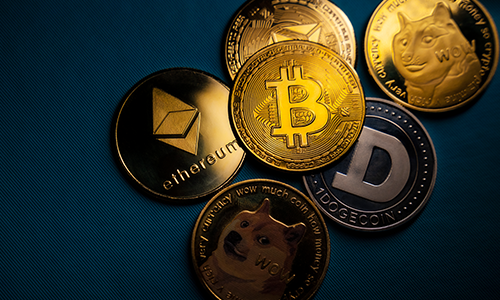
We looked at over 20 crypto exchanges navigate to this website and evaluated them based on cost, security, and user experience. Other factors we considered in our methodology include their cryptocurrency selection, payment options and trade volume.
We mainly focused on dedicated crypto exchanges and then looked at trading platforms that let you trade other securities. The best cryptocurrency exchanges scored high in the following categories:
Security
Users should feel that their crypto is secure on their trade platform, so security breach prevention measures and safe account management methods are essential. We looked at each platform’s history of keeping their users’ funds and information safe and considered whether they offer insurance to users in case they lose their money due to a mistake on their part.
Security Breach Prevention
In order to proactively safeguard user accounts against hackers, exchanges may schedule penetration tests, bug bounties and third-party audits to validate the company’s proof of reserves. These assessments help exchanges ensure that their platform lacks vulnerabilities and is equipped with the latest security measures.
Safe Account Management
Crypto exchanges should follow cybersecurity security best practices to limit vulnerabilities in their system. This includes enforcing TLS/SSL encryption and, for centralized exchanges, multi-factor authentication (MFA), which requires the user to provide two or more verification factors — SMS and email, for example.
User Experience
An exchange that is easy to use and navigate is always a plus regardless of whether one is a novice or an expert. We considered each crypto exchange’s mobile (iOS and Android) and desktop interface, favoring those with more intuitive designs. We also looked at the educational content and research tools available for users.
Mobile and Desktop Interface
Modern crypto exchanges tend to have a more streamlined user interface that is accessible to new traders. This is true even for decentralized exchanges, which have historically been designed for more experienced users.
Educational content
Educational content is helpful for all levels of traders, but especially for those new to crypto, who may need to find their bearings before they begin investing. This type of content ranges from blog articles and explainers on specific coins to test runs and guided transactions for learning how to use an exchange.
Research Tools
Market data is an indispensable resource for crypto investors. Research tools allow users to fine-tune their crypto search results by limiting them to specific types of coin and sorting based on a variety of metrics, such as market cap, daily price changes and social trends.
Cost
Fees can be a headache for users, especially for active traders. We favored crypto exchanges that offered low service fees and ways of reducing transaction fees. We also valued transparency when it came to their fee structure.
Low or reduced fees
Many popular crypto exchanges employ a declining fee schedule where the greater your order volume, the less you have to pay for the transaction. Some exchanges will lower fees further if you’re trading with their native token — Cronos (CRO) on Crypto.com or Binance Coin (BNB) on Binance.us, for instance — or even waive fees altogether for high-volume orders.
Fee structure transparency
All crypto exchanges — dedicated or not — must openly share their fee schedules. This was a prerequisite for us when it came to featuring companies on our list. Some exchanges have more complex fees than others, in which case we also considered how well they explain these fees and their exceptions.
 Site Title
Leave a comment